A worked example
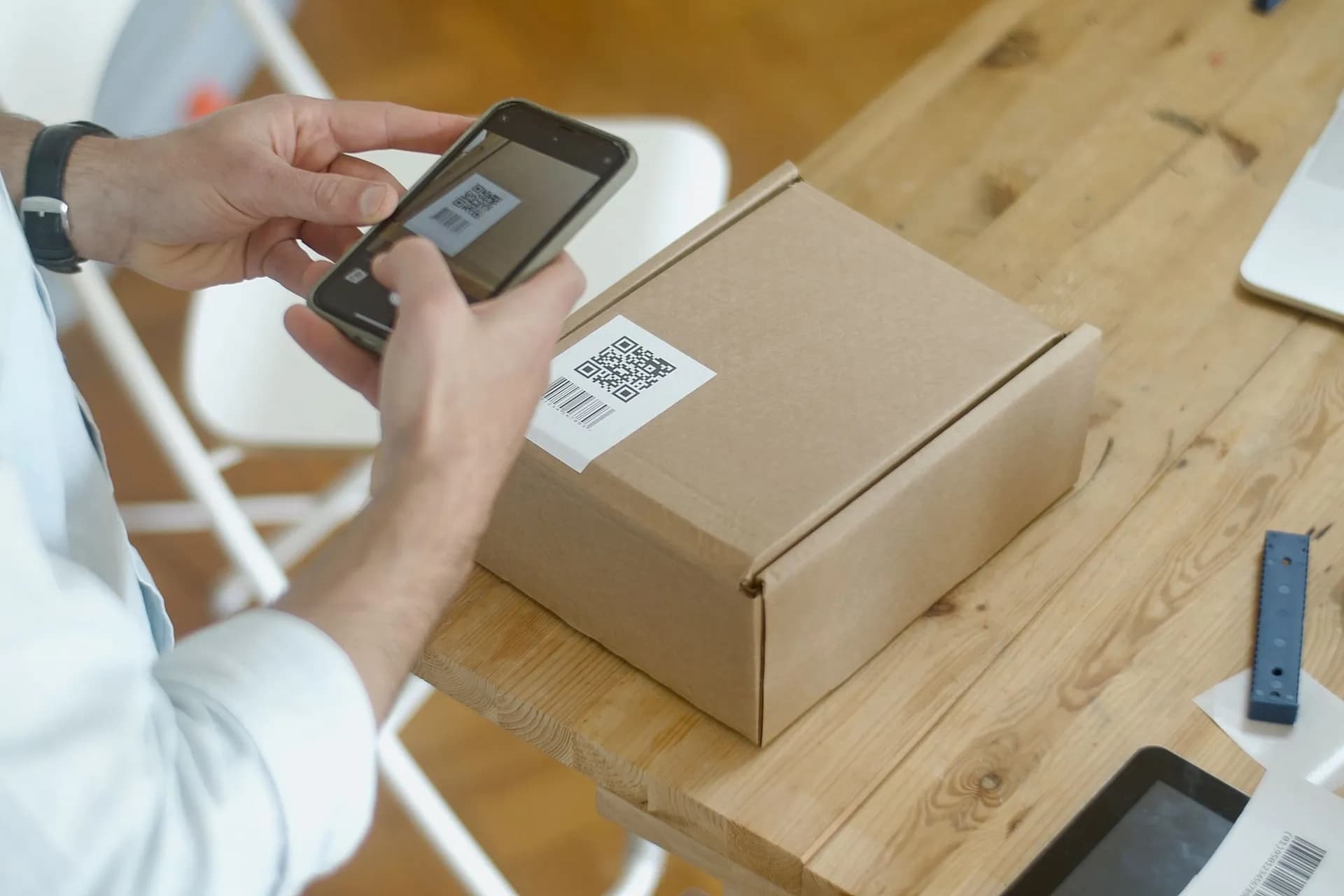
A skincare brand prints a reorder code on 20,000 boxes, sized at 25mm on the box's back panel, tested against the actual kraft stock rather than a white mockup. Six months later, the brand switches e-commerce platforms and the reorder URL changes — with a dynamic code, that's a five-minute update in the dashboard, and every box already on every bathroom shelf keeps working. Had that code been static, the fix would have meant reprinting a meaningful fraction of 20,000 boxes, or living with a broken reorder link on all of them until the next production run.
An honest limitation
A code on packaging only reaches someone after they've already bought the product and have it in hand — it does nothing for the purchase decision itself, which happens on a shelf or a product page before the box is theirs. Treat it as a tool for the post-purchase relationship (care, reorder, registration), not a substitute for whatever's actually convincing someone to buy in the first place.
Frequently asked
- Should packaging QR codes be static or dynamic?
- It depends on the content: stable information like care instructions works fine as static, while anything more likely to change — a reorder link, a warranty flow — is safer as dynamic, especially given how large packaging print runs usually are.
- Can the code go across a box corner if the design calls for it?
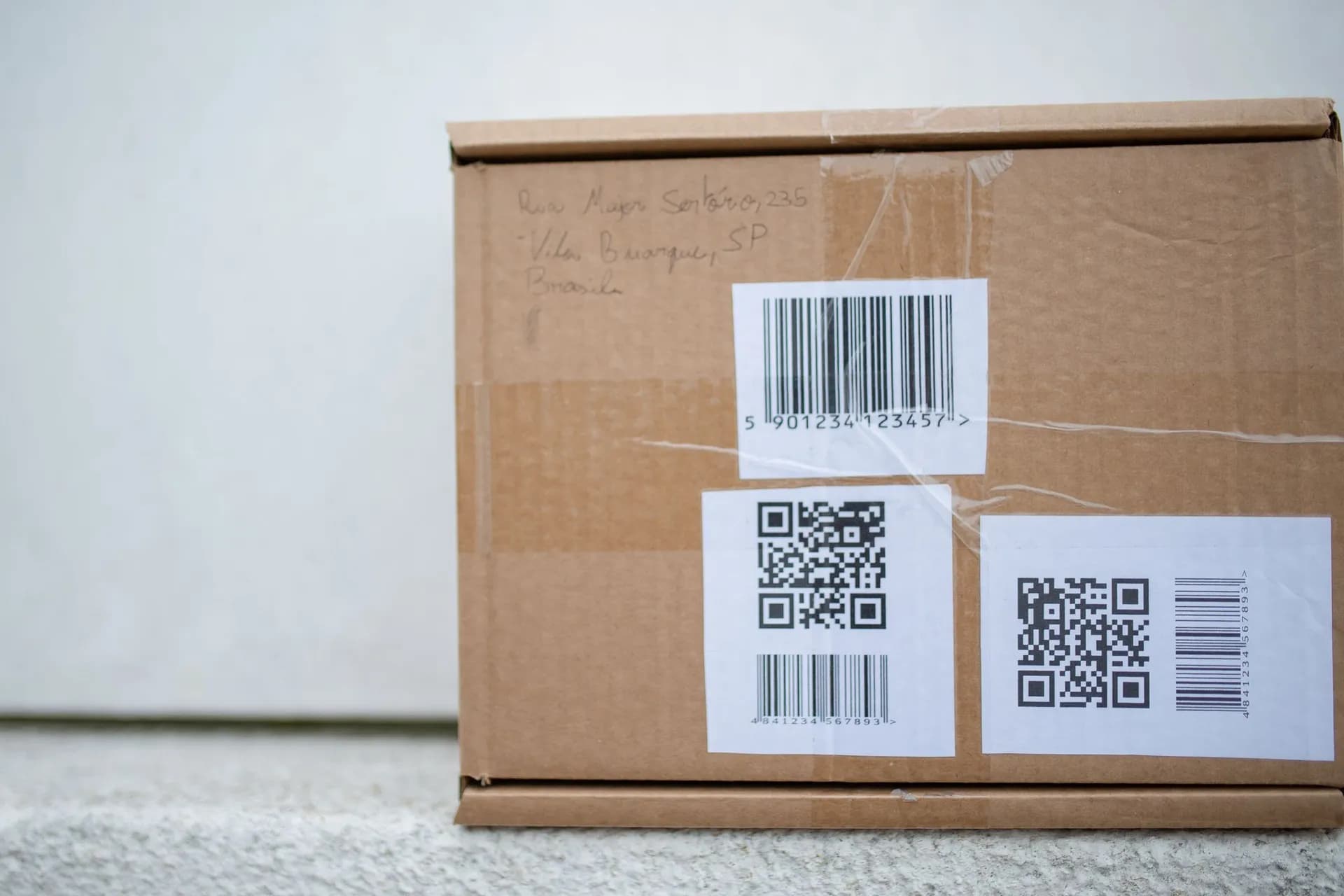
- No — a box's corners and edges come from its die-cut fold lines, which are a permanent part of the box's construction. The code needs a single flat panel with no fold anywhere near it.
- Does kraft or colored packaging need anything different from white stock?
- Yes — verify the code's contrast against the actual panel color and finish, not a white mockup. Kraft and colored stock can quietly reduce contrast in a way a screen preview won't show.
- Why does a physical proof matter more for packaging than other materials?
- Because production runs are typically much larger — tens of thousands of units is common — so a file error that's cheap to fix on a small print job becomes expensive once it's already been printed at that scale.