QR codes on printed material
A QR code on paper only works if it's sized and placed for how that specific object actually gets read — a business card held at arm's length and a poster read from across a room have genuinely different answers. The materials below with a full page cover the print-size math, the material-specific mistakes, and whether the code should be static or dynamic for that particular object; the rest are on the way.
 Read more
Flyers
The strongest case on this platform for going dynamic — the details will change, and every printed copy is money.
 Read more
Brochures
Multi-panel fold-outs — point every page at something that can still change.
 Read more
Business cards
A card that hands over your full contact details without anyone typing a thing.
 Read more
Posters
Sized to scan from across the room, not just up close.
 Read more
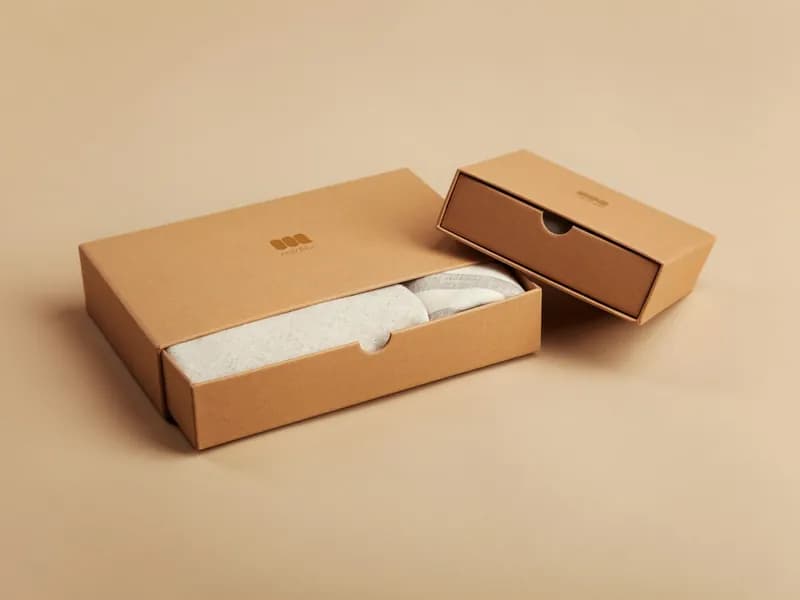
Packaging
Care instructions, warranty registration, or a reorder link on the box itself.
 Read more
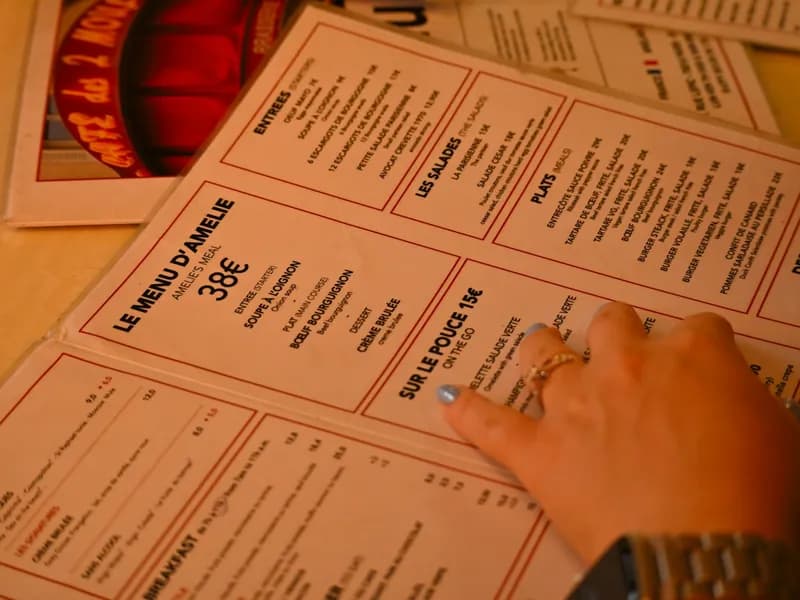
Menus
A printed menu that updates its prices without a reprint.
 Read more
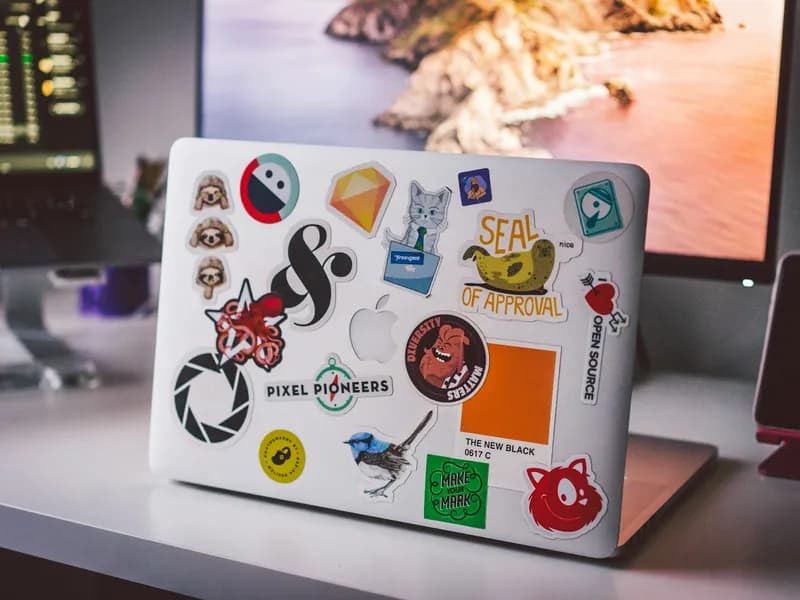
Stickers
Small and everywhere — a shelf edge, a door, a laptop lid.
 Read more
Table tents
The menu that updates itself without a single tent card being reprinted.
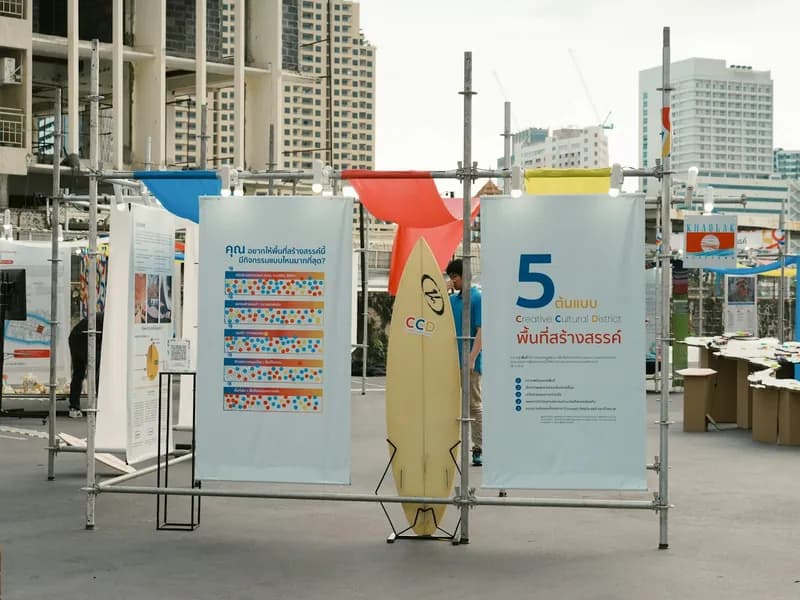 Read more
Banners
Big and far away — sized for a glance from the sidewalk.
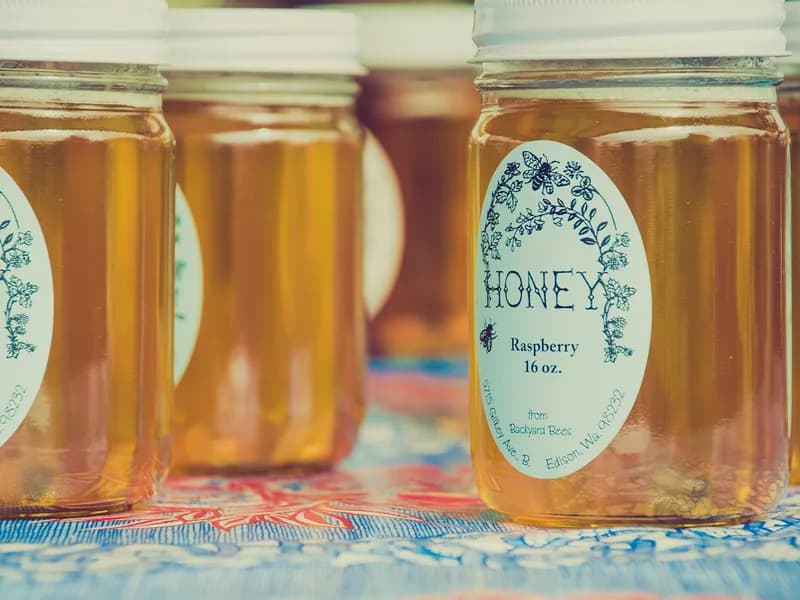 Read more
Labels
Carries more than the packaging around it has room to print.
 Read more
Magazines & newspapers
One code that can keep pointing at something current long after this issue is off the newsstand.
 Read more
Catalogs
Hundreds of product pages, one code per item that can point at this season's actual stock.
 Read more
Books
A companion link that has to outlive the edition — updated without a second printing.
 Read more
Stationery
A letterhead that still points somewhere current, long after the ream was printed.
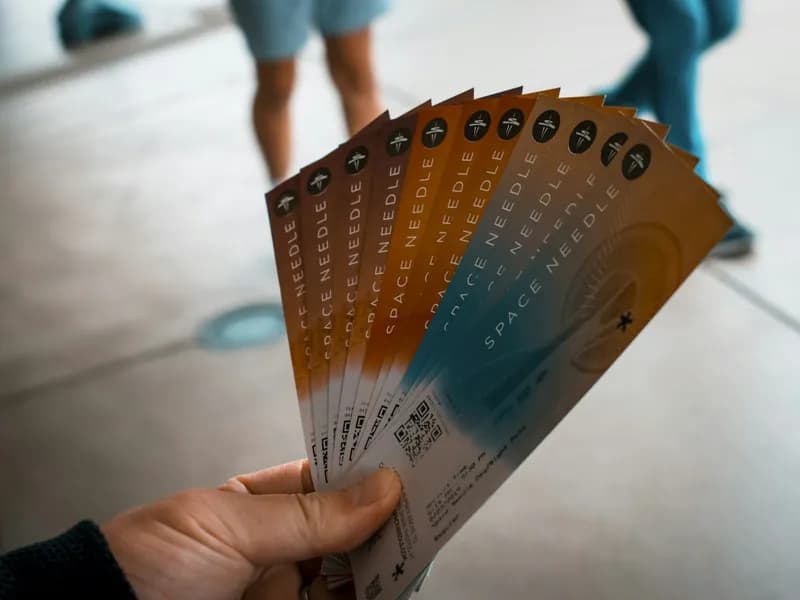 Read more
Tickets
Entry, seat, or redemption — scanned once, under pressure, and it either works or it doesn't.
 Read more
Badges
A name badge that hands over a full contact card instead of a squint at small print.
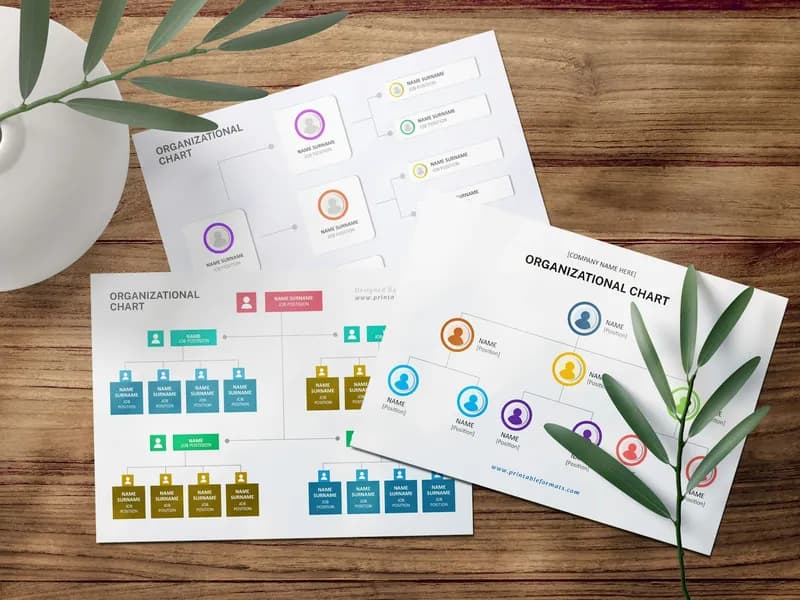 Read more
Infographics
Dense enough on paper — the code is where the sources and the interactive version live.
 Read more
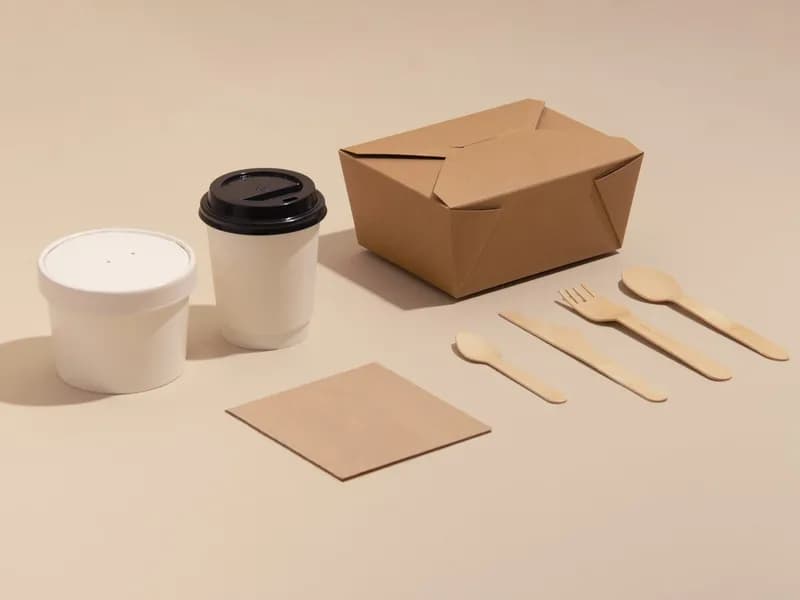
Food packaging
Ingredients, allergens, or a recipe — more than a food label legally has room to print.
 Read more
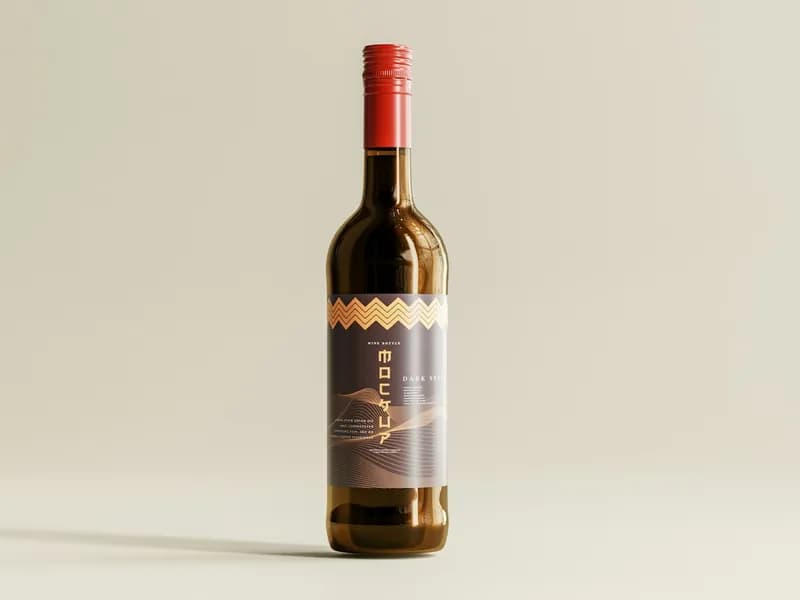
Bottles & cans
Wrapped around a curve, which changes how the code has to be built before it ever gets printed.
 Read more
Clothes
Printed or woven into fabric that stretches, folds, and gets washed — a surface paper was never built for.
 Read more
Giveaways
A mug, a tote, or a pen — printed by processes paper printing was never built around.
 Read more
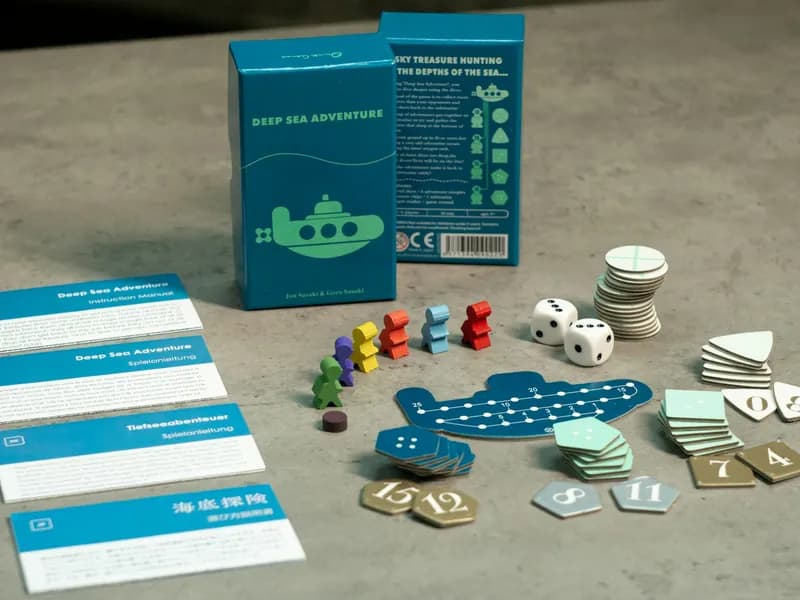
Board games
A box that stays in circulation, resold and replayed, for years after its release.
 Read more
Billboards
Read by a passenger, not a driver, in the few seconds a vehicle passes by.
 Read more
Storefronts
Scanned through glass, with whatever's reflecting off it at the time.
 Read more
Street signs
Left outdoors for months at a stretch, fading a little every week it's up.
 Read more
Displays
A retail floor stand competing with everything else on the shop floor for a glance.
 Read more
Vehicles
Mounted on something that moves, read by someone who mostly sees it while it doesn't.
 Read more
Digital signage
One slide in a rotation — on screen for seconds, then gone until the loop cycles back.
 Read more
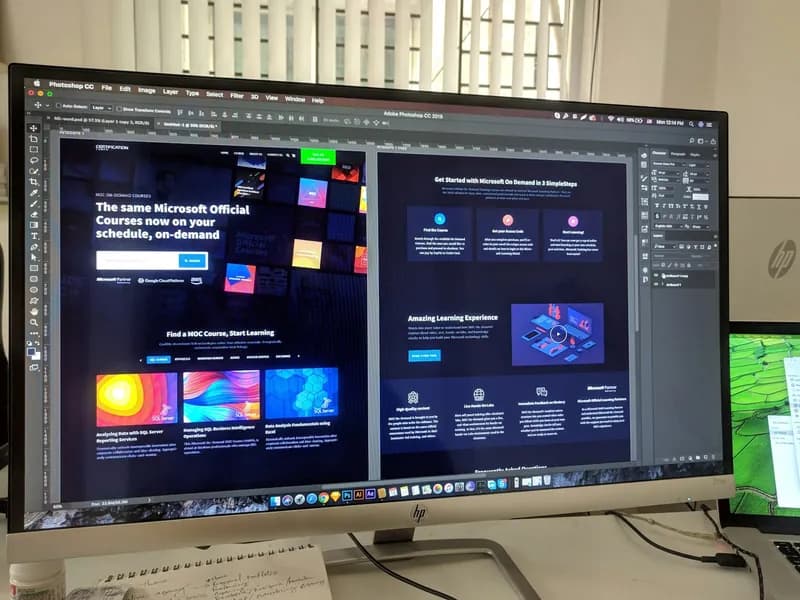
Websites
The honest one: on the same device, a tap beats a scan every time.
 Read more
Web banners
An automated ad placement can resize or crop it without anyone noticing until it's live.
 Read more
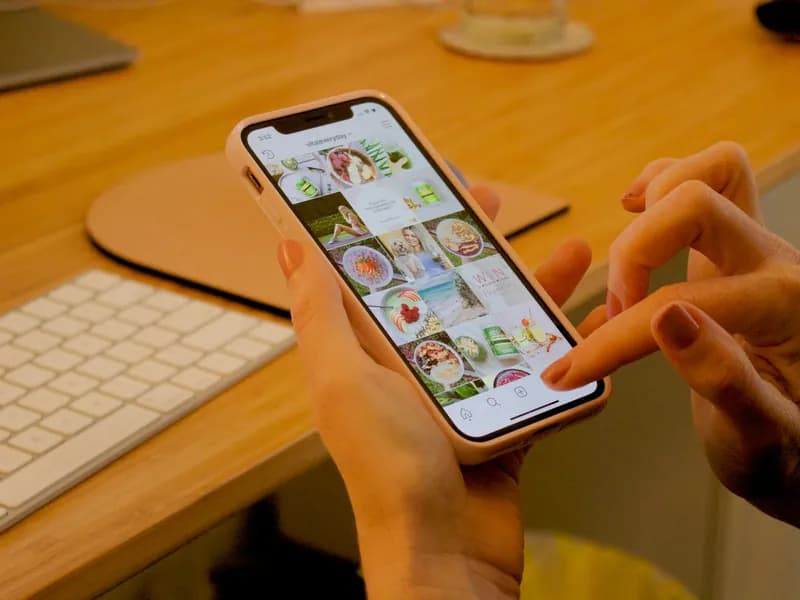
Emails
Useful only when the reader isn't on the same device the email arrived on.
 Read more
Social networks
Recompressed by the platform before anyone's phone camera ever sees it.
 Read more
TV commercials
On screen for seconds — long enough to scan only if it actually holds still.
 Read more
Cinema ads
Huge on screen, but half the room is seated too far back for that to matter.
 Read more
Video game
Rendered through a capture pipeline before a lot of players ever actually see it.
 Read more
Art
The one surface where hiding the code inside the design is the whole point.