
A worked example
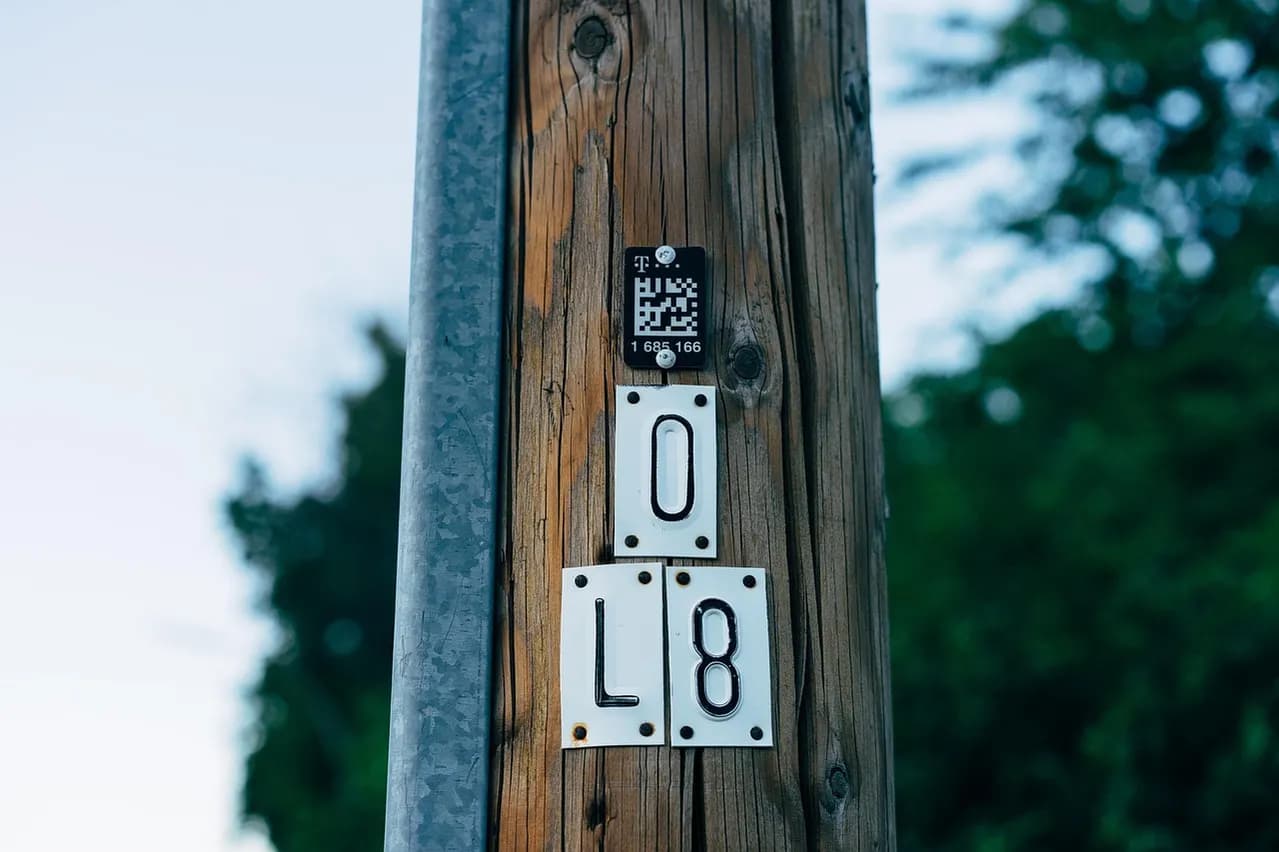
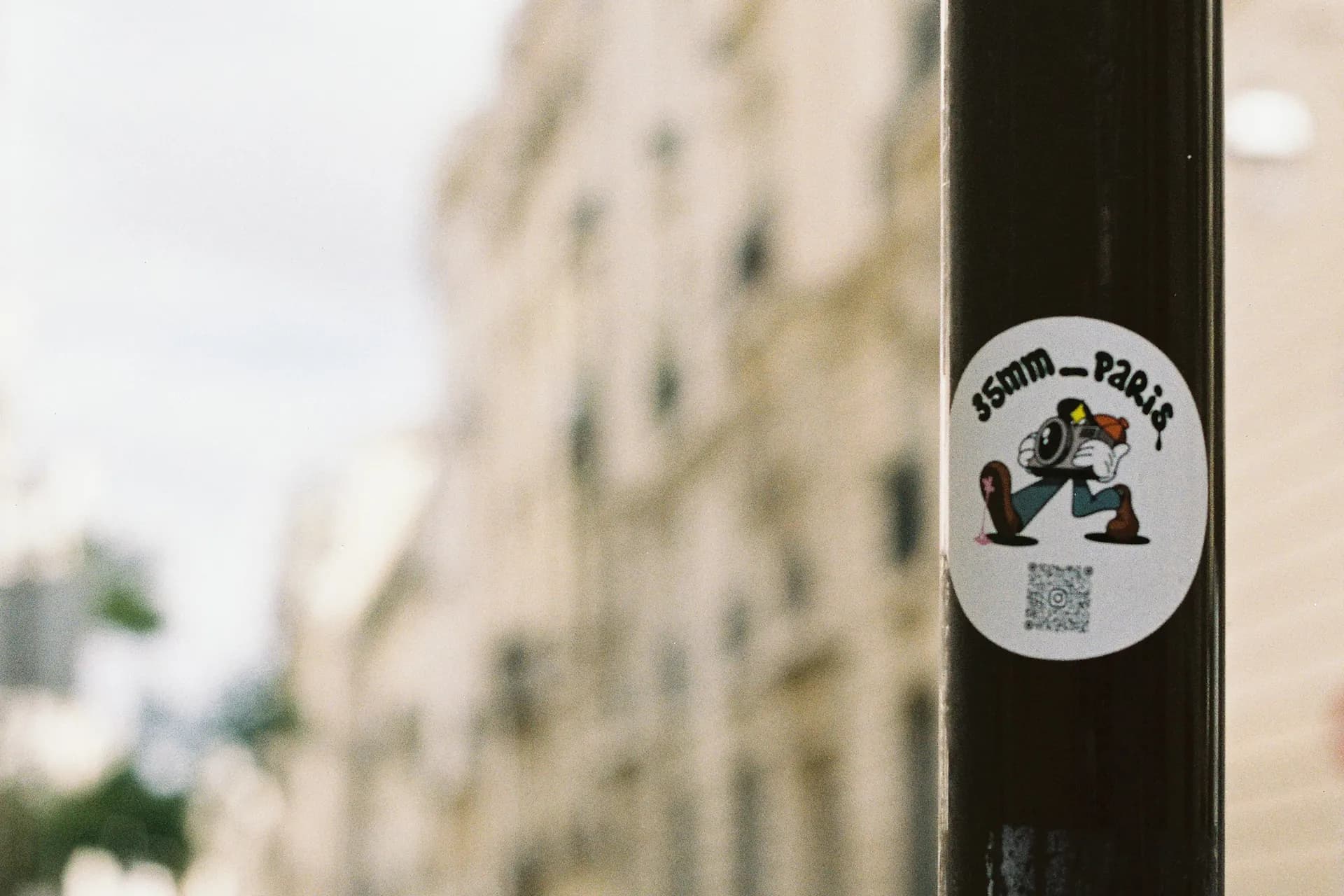
At 2.5m, the 10:1 rule needs a 25cm floor — but 90–120mm is what most post-mounted signs actually use, which is smaller than the strict rule would suggest. That gap is deliberate: most street signs are read while someone is walking toward them and closing the distance, not scanned from a fixed 2.5m stop, so the effective reading distance by the time someone actually raises a phone is usually shorter than the sign's first-glance distance.
UV fade is a timeline, not a one-time test
Every print-quality check most people run happens once, at or near installation, and that single check is treated as the final word on whether a code works. For a sign designed to live outdoors for a season or longer, that's a meaningfully incomplete test, because the biggest threat to an outdoor code's scannability isn't the print quality at day one — it's what happens to that print over the following weeks and months of direct sun exposure. UV radiation breaks down pigment molecules over time, and the visible result is fading: colors lose saturation, blacks drift toward grey, and the sharp contrast between a code's dark modules and its light background — the exact property a scanner depends on — erodes gradually rather than failing all at once.
This matters more for a QR code than for most other outdoor signage content, because a fading logo or a faded headline is still legible to a human even after meaningful color loss — people are very good at reading degraded text and recognizing familiar shapes. A scanner reading a QR code is doing something more mechanical: measuring contrast at specific points across a grid and making a binary light-or-dark call at each one. As fade reduces the contrast difference between modules and background, there's a threshold past which the scanner's confidence in each of those calls drops below what it needs, and the code stops resolving — not gradually from the user's perspective, but as a sudden, confusing "why doesn't this work anymore" failure on a sign that looked basically fine to the naked eye.
The two things that actually extend a sign's scannable life are ink and material choice at the outset — UV-stable, outdoor-rated inks and laminates fade dramatically slower than standard indoor print materials — and treating install as the start of a monitoring period rather than the end of a checklist. A sign that's been up for six months deserves an actual rescan, not an assumption that whatever passed at installation is still true.